Appointment-driven businesses
The appointment starts before anyone arrives.
From the moment someone finds you, the experience is already shaping whether they trust the next step. I map the path from discovery through booking, preparation, and return, then design the right response around the handoff that gets stuck.
Before, during, and after
A booking is one moment in a much longer experience.
People do not arrive at a calendar cold. They first decide whether the service fits, whether they trust the next step, and whether they understand what they are agreeing to. After they book, the business still has to prepare them, carry the right context into the appointment, and make the next step clear.
Person
Business
Person
Discover
Business
Appear in the right places.
Make accurate public information available where people are already looking.
Person
Evaluate
Business
Establish trust and fit.
Explain the service, expectations, and next step clearly enough for someone to decide.
Person
Book
Business
Capture the right information.
Make the action visible, usable, and connected to what the team needs next.
Friction at the handoff
One side moved. The other did not receive what it needed.
Person
Prepare
Business
Confirm expectations.
Send the right forms, instructions, timing, and preparation in a coherent order.
Person
Experience
Business
Deliver with context.
Give the person and the team the information they need at the moment it matters.
Person
Return
Business
Follow through.
Make review, follow-up, rebooking, or the next appropriate step visible without forcing the relationship to restart.
The names, tools, and obligations change from one business to another. The handoff pattern is still recognizable: each step a person takes creates work the business has to carry.
Where it gets stuck
The handoff is usually the problem.
A business can be visible, the calendar can work, and the appointment itself can be excellent while the path around it still feels uncertain. The friction usually appears between two moments, where a person expects the next step and the business has to fill the gap by hand.
A better path does not remove the human relationship. It removes the uncertainty and repeated movement around it.
Around the calendar
Your booking platform is a tool. The experience around it is the system.
The software may be doing exactly what it was built to do. It cannot decide how someone finds the right service, what they need to understand before booking, which information should travel with them, or how the relationship continues afterward. Those decisions live around the calendar.
- Search
- Can someone find the right place and accurate information?
- Website
- Can they understand the service, fit, expectations, and next step?
- Booking
- Can they act without surprise, confusion, or unnecessary back-and-forth?
- Intake
- Is the right information gathered once and handled appropriately?
- Preparation
- Do they know what to expect, bring, complete, or do next?
- Follow-through
- Is the next appropriate action visible after the appointment?
The goal is not to replace a working platform. It is to make the experience around it feel like one considered service instead of six separate tools.
Relevant work
Different settings. The same attention to what happens around the appointment.
Appointment-driven does not mean every business has the same customer, obligations, or workflow. The common thread is designing what people need before they act, what the business needs underneath, and how the experience carries into the next moment.
Creative wellness and organizational events
Two audiences needed two clearer paths.
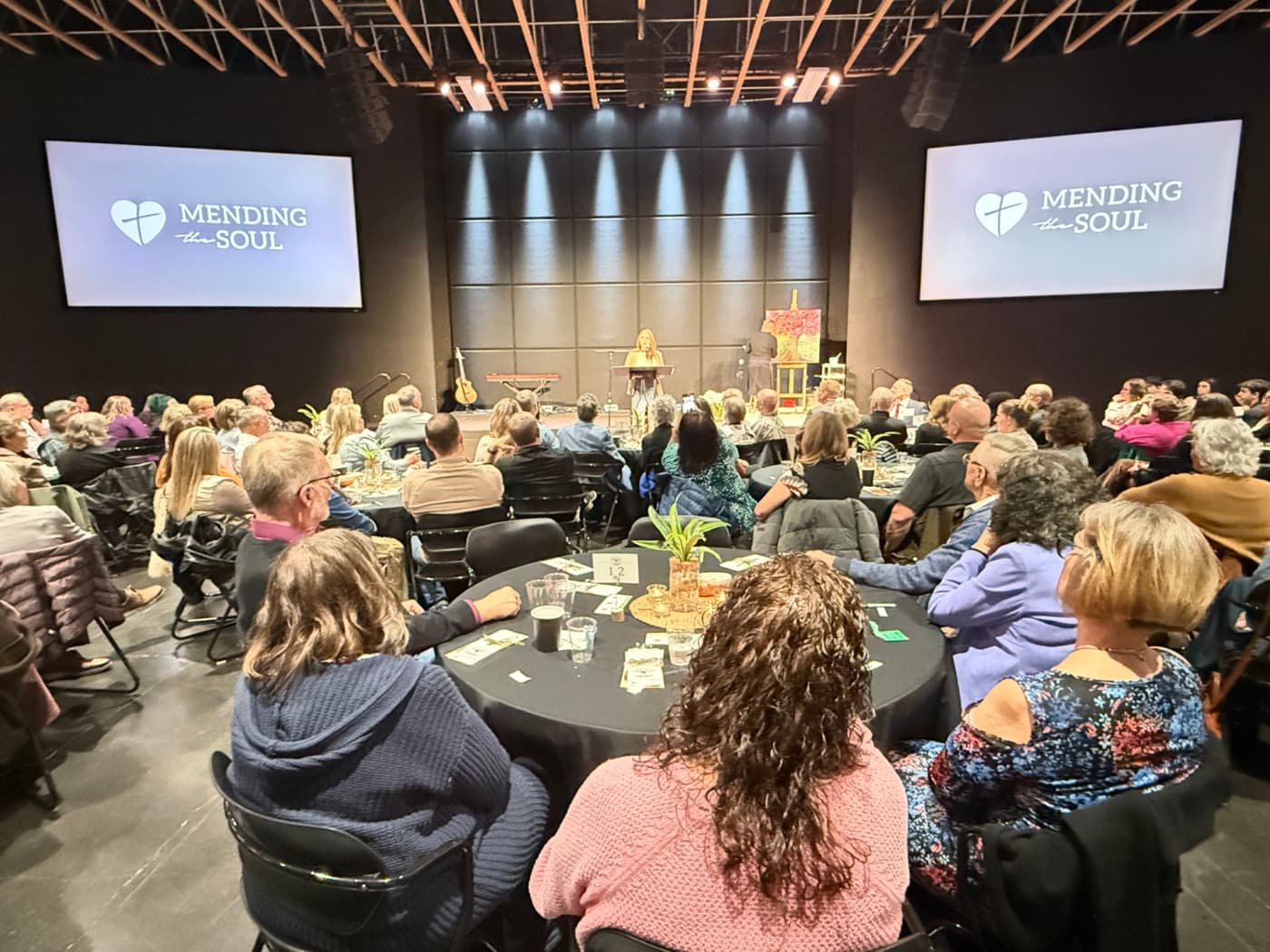
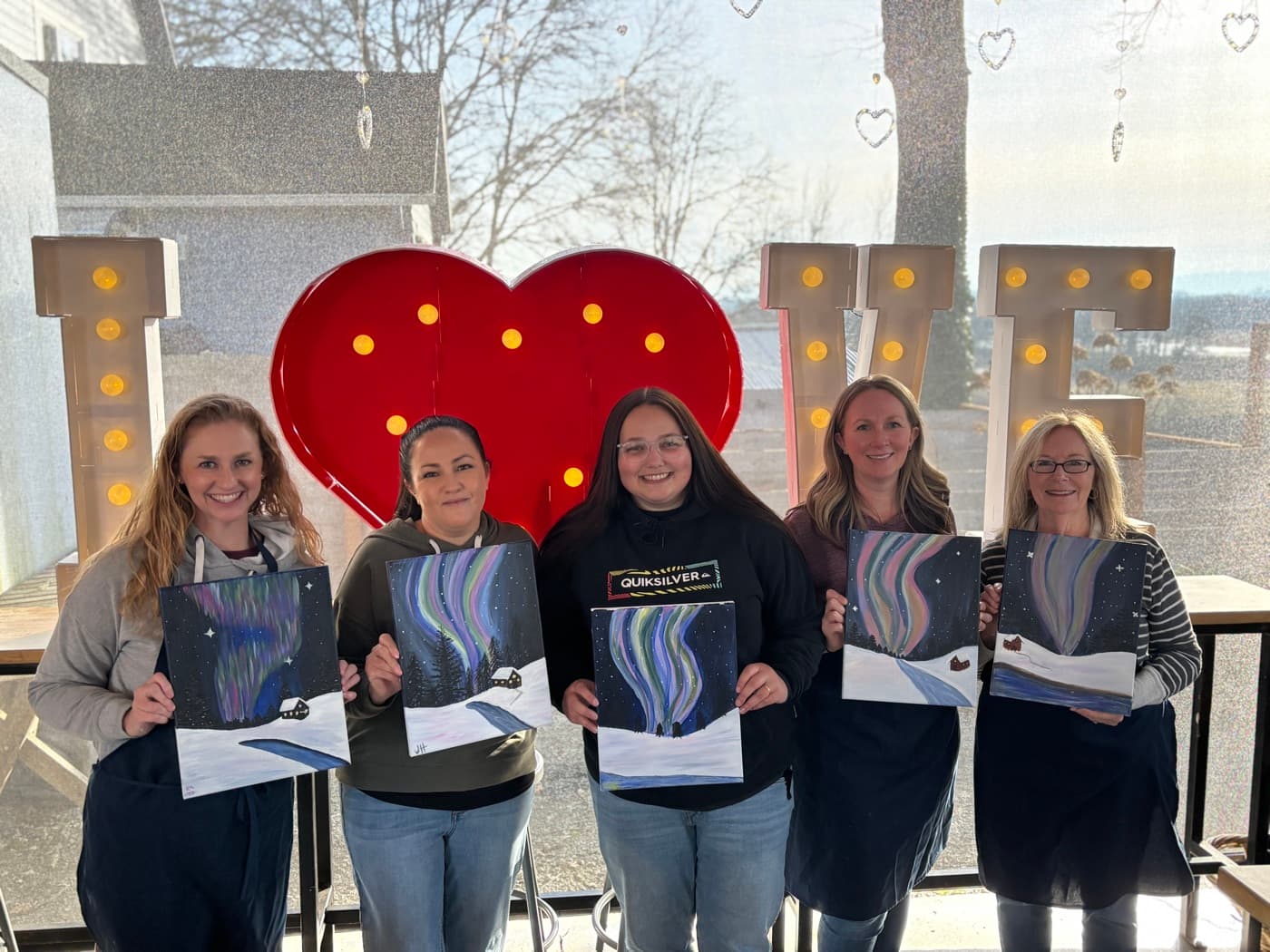
Uplift's website was trying to serve community art events and organizational wellness buyers through the same experience. I separated the audience paths, rebuilt the site around the direction the business was growing, connected consultation booking and contact handling, and gave event and social traffic one consistent place to land.
The work was not only a new surface. The website, consultation path, and follow-through were designed to support one another.
Diagnosis first
The right response depends on where the path gets stuck.
A business with weak public information does not need the same work as one with a clear site and a broken intake handoff. You may need one focused fix, a connected build, or nothing new at all. The point is to solve the constraint, not sell the stack.
A focused direction I am exploring
A better client experience for independent medspas and aesthetic practices.
I am studying what happens around the software practices already use: how a prospective client learns, requests a consultation, books, completes intake and consent, prepares for an appointment, follows up, and returns, and where staff have to patch the gaps by hand.
This is early product and service research, not an available software product. I am not selling an EMR or practice-management replacement, and I am not making a HIPAA or compliance claim.
If you work in a practice and want to talk through the current experience, please do not send patient names, patient stories, medical details, or other protected information.
A short research study. There is no product to buy yet.
A path, not a niche
Appointment-driven describes how people commit, not what your business has to call itself.
If your service happens in scheduled time and the experience around that time shapes trust, preparation, or whether someone knows what to do next, this path may fit. You do not need to identify as beauty, wellness, or health.
Start with the path
Show me where the experience stops feeling as good as the service.
I will look at the public path, the handoffs around the appointment, and what the business is carrying manually. The free map will show you what I would fix first. If you already know what needs to be built, start a project instead.