Camas, Washington
Websites and lead systems for Camas, WA businesses.
Camas sells on reputation more than search, and that changes what’s worth building. The mistake is assuming it means search doesn’t matter here.
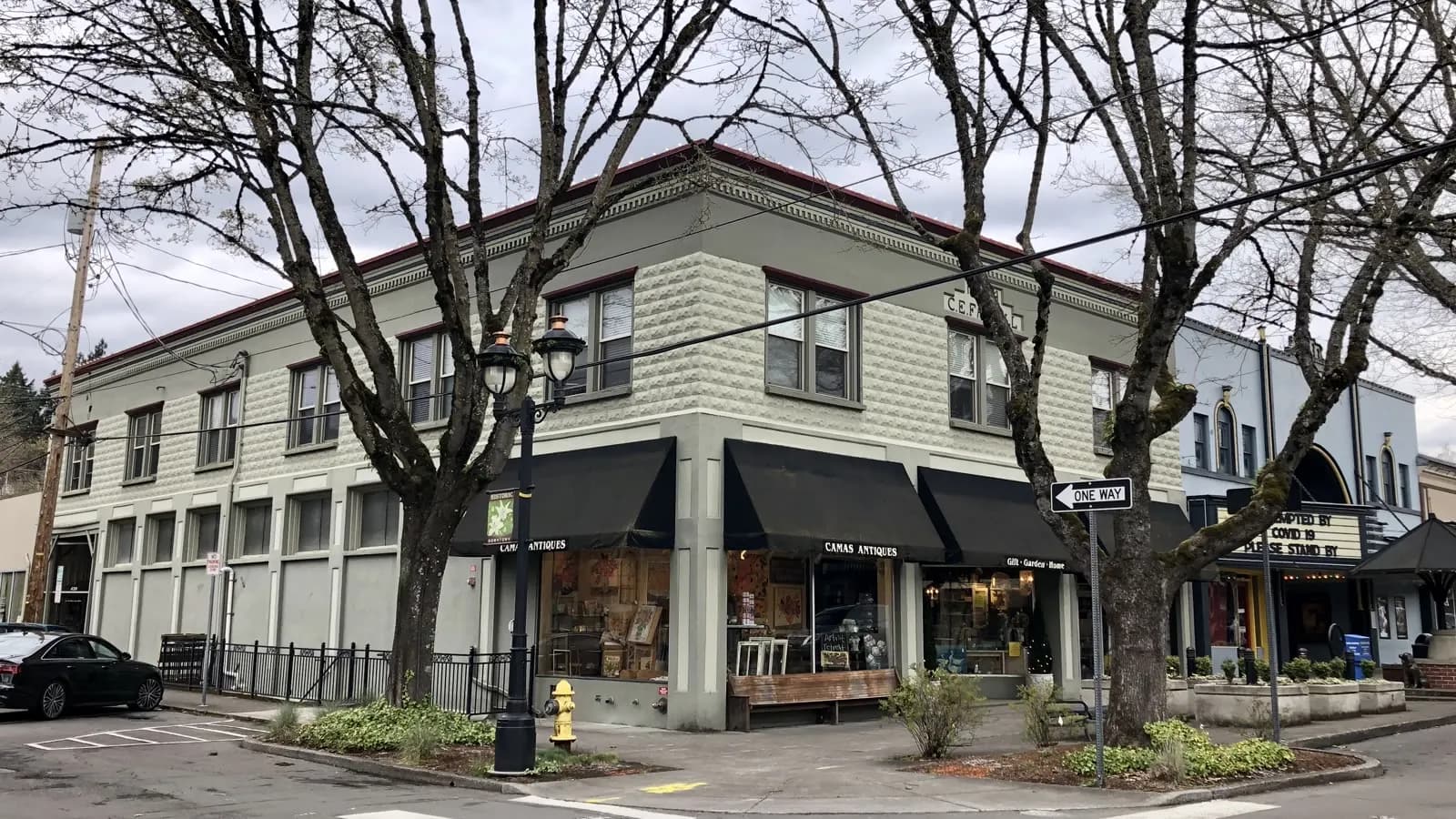
Downtown Camas is a walkable stretch of NE 4th Avenue with the Liberty Theatre still anchoring the block. Businesses on that street get discovered on foot and remembered by name. Their problem was never visibility. It’s what somebody finds after they’ve heard the name and gone looking.
Then there’s the other Camas. Prune Hill and the newer neighborhoods north of town are full of people who moved here recently and have no idea who the good dentist is, who to call about the deck, or where to take the dog. Those people search for everything. They are, quietly, most of the new business in town.
Two audiences, one business
A Camas business is usually serving both at once and only built for one. The site speaks to people who already know them, in the shorthand of a town that shows up to Camas Days every summer. A family that closed on a house in March reads that same site and can’t tell what you do, whether you’re taking clients, or how to reach you without calling during work hours.
The fix isn’t a different brand. It’s making the first thirty seconds legible to somebody with no context, without flattening what regulars like about you. That’s mostly a structure and copy problem, and it’s cheaper than everyone expects.
Small town, small margin for a bad handoff
In a market this size you don’t get much volume, so every dropped enquiry costs more. A form that emails an address nobody checks, a booking link that dead-ends on a phone, a voicemail box that’s full. Those aren’t small in Camas. They’re a meaningful share of the month.
Lacamas Lake and the trail system pull weekend traffic through town from all over the county too, which is real exposure for the businesses set up to catch it and nothing at all for the ones that aren’t.
In Camas, WA
What usually breaks here
Reputation towns fail in their own particular ways. These are the three I see most.
The site is written for people who already know you
No plain description of the service, no service area, no prices or ranges, no obvious next step. It reads like a business card for somebody who’s already been recommended to you.
The Google profile is thin or unclaimed
Word of mouth still ends at a search. When a neighbor says “call these guys,” the newcomer types the name into Google, and a bare profile with two photos and no hours undoes the recommendation.
Nothing captures the people who aren’t ready yet
Most of the newer households are six months out from needing you. There’s usually no way to stay in front of them, so you meet them cold again when the moment arrives.
Where to go from here
The free map, for a Camas business
Five stages, and the places people fall out.
This is the path every customer walks. I map yours by hand, mark the two or three weakest handoffs, and send it back. The marks below are where they usually sit.
Free · Sent within two business days
Find out what newcomers hit before they reach you.
The Lead-Path Map traces the route from first search to booked, and marks every handoff where somebody with no context would give up. A person reviews it. It costs nothing.